
HOW FERRIES HAVE TRANSFORMED TRAVEL ON LAKE ERIE OVER THE YEARS
For over two centuries, ferries have been the heartbeat of Lake Erie transportation, connecting mainland communities to island getaways and serving as vital lifelines for trade, tourism and daily life. What began as simple wooden vessels shuttling settlers and cargo across the waves has transformed into a sophisticated network of modern ferries that carry millions of passengers each year.
Lake Erie’s ferry services have always adapted to meet the times—from steam-powered paddlewheelers that revolutionized 19th-century travel to today’s sleek vessels that deliver passengers to island destinations in comfort and style. These floating bridges have done more than just transport people from point A to point B; they’ve opened up entire communities, fueled tourism economies and preserved a beloved tradition that modern travelers still cherish.
Early History of Ferry Travel on Lake Erie
Long before Lake Erie became a playground for tourists, it was a crucial commercial highway. The earliest ferry services emerged in the early 1800s, when settlers recognized that the lake’s islands and coastal towns needed reliable connections to the mainland.
The islands, particularly Kelleys Island, were home to thriving communities built on fishing, quarrying and winemaking. For these islanders, ferries were a lifeline. Merchants needed to get their produce to market and quarry workers transported massive limestone blocks to fuel the building boom in growing cities like Cleveland and Detroit.
By the early 1900s, ferry operations became more organized and scheduled, and vessels became floating community centers where locals exchanged news, conducted business and maintained the social fabric that connected island and mainland life. These early ferries laid the groundwork for what would become one of the most enduring transportation networks in the Great Lakes region.
The Impact of Ferries on Local Communities & Tourism
Ferry access has been nothing short of transformative for Lake Erie’s island communities. Towns like Put-in-Bay, which might have remained seasonal fishing villages, blossomed into vibrant tourism destinations thanks to reliable ferry connections. Restaurants, hotels, wineries and attractions flourished as ferry services made it easy for visitors to experience island life without the commitment or expense of private boats.
The economic impact ripples far beyond the tourism industry. Ferry services create jobs, from captains and deck hands to ticket agents and maintenance crews. They support local businesses by ensuring a steady flow of customers throughout the season. Small islands that might otherwise struggle with population decline have maintained their vitality precisely because ferries keep them accessible and economically viable.
The ferries have also preserved something intangible but equally valuable: a sense of island identity and tradition. The ritual of waiting at the dock, the anticipation as the ferry approaches and the gradual reveal of the island shoreline create a psychological transition that marks the beginning of an adventure or the return home. This experience connects today’s travelers to generations of ferry passengers who came before them.
Modern Ferry Innovations & Future of Travel
Today’s Lake Erie ferries services like Jet Express represent the cutting edge of passenger ferry technology, featuring high-speed catamarans that reduce travel time while maximizing comfort. These modern vessels offer climate-controlled cabins, outdoor observation decks and smooth rides that appeal to families, day-trippers and commuters alike.
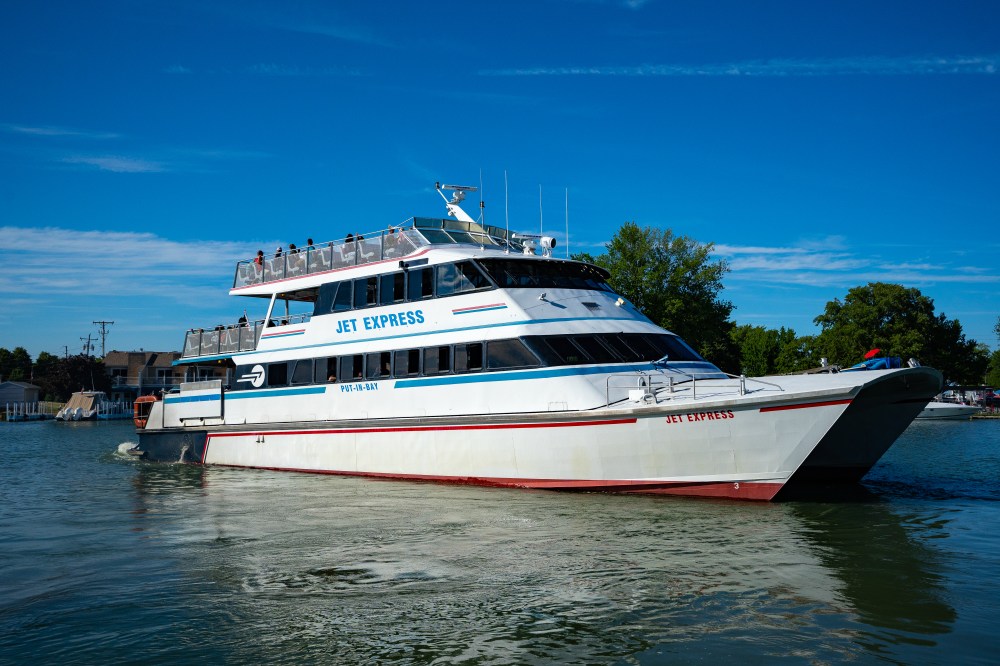 Speed and comfort aren’t the only innovations reshaping ferry travel. Environmental sustainability has become a priority across the industry. Modern ferries incorporate fuel-efficient engines, implement waste reduction programs and explore alternative power sources. Some operators are investing in hybrid-electric propulsion systems that could significantly reduce emissions while maintaining the reliability passengers depend on.
Technology has enhanced the passenger experience in countless ways. Online booking systems, real-time departure updates and mobile ticketing have eliminated much of the uncertainty that once came with ferry travel. GPS tracking allows passengers to monitor their ferry’s location, and improved weather forecasting helps operators maintain more consistent schedules even during challenging conditions.
Looking ahead, the future of Lake Erie ferry travel appears bright. Advances in vessel design promise even faster, quieter and more efficient boats. As environmental regulations tighten and passenger expectations evolve, ferry services will continue adapting—just as they have for two centuries.
Experience Lake Erie’s Ferry Tradition with Jet Express
From humble paddlewheelers to today’s sophisticated vessels, ferries have been the threads weaving together Lake Erie’s island and mainland communities. They’ve carried settlers and cargo, vacationers and commerce, traditions and transformations. Through steam power and diesel engines, economic booms and changing times, ferry services have remained constant—adapting, innovating and serving as the essential connection that keeps Lake Erie’s communities thriving.
Today, this rich history continues with every departure, every journey across the sparkling waters and every arrival at an island destination. Whether you’re visiting Put-in-Bay for the first time or returning for the hundredth summer, the ferry ride remains a cherished part of the Lake Erie experience.
Ready to be part of this enduring tradition? Book your ride on Jet Express today and discover why ferry travel has been bringing people to Lake Erie’s islands for over 200 years. Modern comfort meets historic charm—your island adventure awaits!